
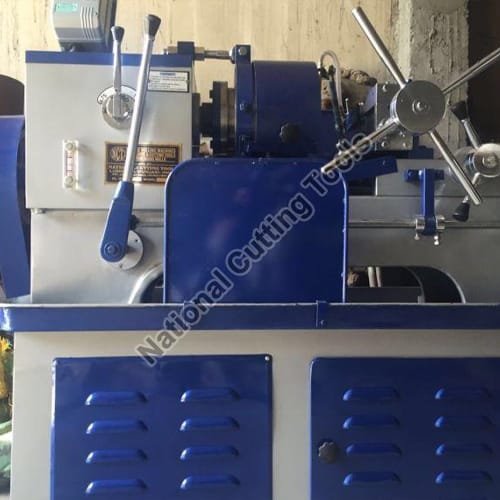
A guide for Doha civil engineering yards on selecting rebar cold forging, rib peeling, and thread rolling machines complying with Qatar Construction Specifications (QCS).
Major infrastructure projects delivered under the Public Works Authority (Ashghal), Kahramaa, and Qatar Rail are governed by the strict guidelines of the Qatar Construction Specifications (QCS). In heavy concrete structures—such as expressway bridges, drainage mega-tunnels, metro stations, and coastal commercial towers in Lusail and Doha—traditional lap splices are largely prohibited in critical plastic hinge and high-stress zones.
To meet QCS and British Standard (BS 8666 / BS 4449) mechanical splicing mandates, steel rebar cut-and-bend yards in the Industrial Area of Doha require high-precision thread peeling, cold upsetting, and parallel thread rolling machinery. This engineering guide explains how equipment manufactured by National Cutting Tools ensures compliance with Ashghal standards.
1. Qatar Construction Specifications (QCS) on Mechanical Splices
QCS regulations mandate that mechanical reinforcement couplers must achieve full structural continuity. Specifically, testing protocols require:
- Tensile Strength: Spliced rebar joints must exceed the minimum specified ultimate tensile strength of the parent reinforcement steel (Type 1 and Type 2 compliance).
- Bar-Break Performance: Under cyclic tensile load tests conducted by certified third-party testing laboratories in Qatar, tensile rupture must occur in the parent rebar shank away from the mechanical connection.
- Slip Limits: Total splice slip under service loads must not exceed strict threshold limits (typically $\le 0.10 ext{ mm}$), requiring tight flank-angle precision and minimal thread play.
Direct die-cut threads cut across the deformed ribs, reducing core bar area and causing brittle failure during laboratory testing. Compliant rebar fabrication requires rib-peeled cold thread rolling or hydraulic cold upsetting.
2. Cold Forging vs. Direct Thread Rolling on Grade B500B Rebar
Qatar infrastructure primarily utilizes high-yield deformed rebar conforming to BS 4449 Grade B500B / B500C. Fabricators must select the appropriate machine architecture based on project specifications:
A. Cold Forging (Upsetting) + Parallel Threading
For the most stringent Ashghal bridge pier and heavy raft specifications, bar ends are processed through a rebar cold forging machine. High hydraulic pressure expands the rebar end diameter by approximately 20%. When parallel metric threads are subsequently rolled into this enlarged zone, the thread root diameter remains equal to or greater than the original nominal bar diameter, guaranteeing 100% parent bar tensile failure.
B. Precision Rib Peeling + Cold Roll Forming
For standard high-rise building columns and slabs, our dual-function rebar threading machine incorporates carbide peeling inserts that mill away the transverse ribs, followed immediately by three hardened roller dies that cold-roll parallel metric threads in a single continuous clamping operation.
3. Machinery Specifications for Doha Steel Yards
The table below summarizes the operational specifications for NCT rebar processing machinery operating in Qatar:
| Machine Model | Rebar Size Range | Thread Pitch | Motor Rating | Shift Production (8h) |
|---|---|---|---|---|
| NCT-TR-32 Automatic | 16 mm – 32 mm | 2.0 mm, 2.5 mm, 3.0 mm | 4.0 kW / 415V 50Hz | 600 – 750 ends |
| NCT-TR-40 Heavy Duty | 20 mm – 40 mm | 2.5 mm, 3.0 mm, 3.5 mm | 5.5 kW / 415V 50Hz | 500 – 650 ends |
| NCT-CF-40 Cold Forger | 16 mm – 40 mm | Hydraulic upset | 11.0 kW Hydraulic | 350 – 450 ends |
For large diameter bar operations, our rebar thread cutting machine provides steady torque and high-rigidity clamping.
4. High-Temperature Engineering & Protective Enclosures
Rebar yards in Doha's Industrial Area experience extreme summer operating conditions, with ambient temperatures reaching 48°C to 50°C. NCT machinery exported to Qatar incorporates tailored engineering safeguards:
- Tropicalized Electric Motors: Copper-wound induction motors with Class H insulation and high-efficiency thermal overload protection prevent winding degradation.
- Dual-Stage Coolant Filtration: High-output coolant pumps deliver continuous soluble oil flooding to flush abrasive rebar scale and metal cuttings away from rolling dies and carriage slideways.
- Sealed Electrical Cabinets: IP55-rated dust-tight switchgear enclosures with internal cooling fans protect micro-switches and relays from airborne desert sand.
5. Direct Shipping to Hamad Port & Technical Support
National Cutting Tools ships machinery directly from our works in Ludhiana, Punjab, via dry port to Nhava Sheva (JNPT) or Mundra, with regular maritime container liner service directly to Hamad Port (Doha). Transit time typically ranges between 4 and 6 days.
Every machine is delivered with calibrated Go/No-Go thread pitch gauges, spare roller dies, and foundation drawings. For complete export details, visit our Qatar machinery market hub, inspect our rebar machinery range, or send project bar specifications through our engineering inquiry desk.
Machines covered in this guide
Senior Machine Tool Design & Production Engineering Division, Ludhiana Works
Authored by machine tool builders at our Ludhiana manufacturing works. Every technical parameter, metallurgy guideline, electrical formula, and production cycle stated in this guide is reviewed by our shop-floor engineers who assemble, wire, and execute material trials before global dispatch to GCC and domestic manufacturing facilities.
Need Engineering Consultation on This Subject?
Speak directly with National Cutting Tools senior machinery engineers.